


Top Vegetables and Flowers to Plant Right After the Last Frost

Spring is the perfect time to start fresh in your garden. Once the last frost has passed, the soil warms up enough to support new growth, and you can begin planting a variety of vegetables and flowers that thrive in these conditions. Knowing which plants to choose and when to plant them can make a big difference in your garden’s success. This guide will help you pick the best vegetables and flowers to plant right after the last frost, so your garden flourishes throughout the season.
Vegetables to Plant After the Last Frost
Some vegetables are hardy enough to handle cooler soil temperatures and can be planted immediately after the last frost. These early starters give you a head start on the growing season and often mature quickly.
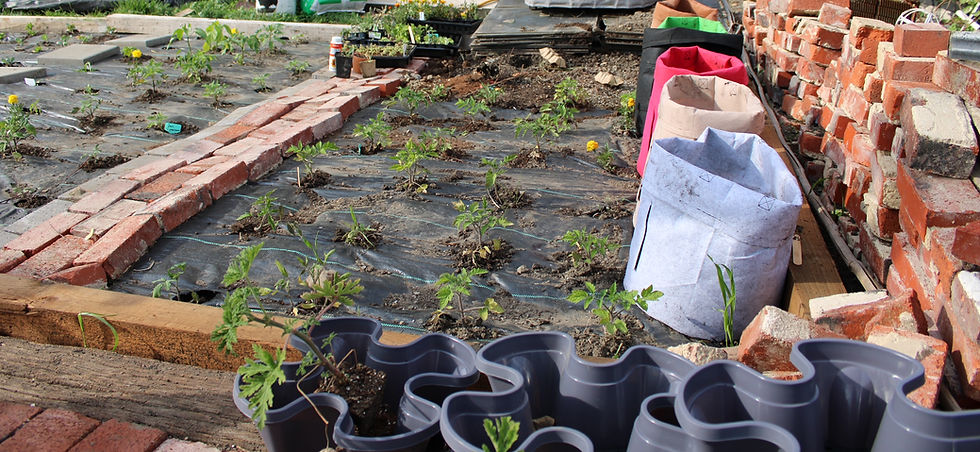
Cool-Season Vegetables
Lettuce
Lettuce grows best in cool weather and can be planted as soon as the soil is workable. Choose varieties like romaine, butterhead, or leaf lettuce for a continuous harvest.

Spinach
Spinach thrives in cooler temperatures and can tolerate light frost. Plant seeds directly in the garden for fresh leaves in about 4 to 6 weeks.
Radishes
Radishes grow quickly and are perfect for early planting. They mature in as little as 3 to 4 weeks, making them a rewarding choice for impatient gardeners.
Peas
Peas prefer cool weather and can be sown directly into the soil after the last frost. They climb, so provide a trellis or support for best results.
Broccoli and Cauliflower
These vegetables do well in cooler temperatures and can be transplanted outdoors after the last frost. They need fertile soil and consistent moisture to develop heads.

Warm-Season Vegetables to Start Indoors
Some vegetables need warmer soil to thrive but can be started indoors right after the last frost and transplanted later.
Tomatoes
Start tomato seedlings indoors and move them outside once the soil temperature reaches about 60°F (15°C). Choose disease-resistant varieties for better success.
Peppers
Like tomatoes, peppers need warmth. Start seeds indoors and transplant after the danger of frost has passed.

Eggplants
Eggplants require warm soil and plenty of sunlight. Starting them indoors early ensures strong plants ready for transplanting.
Flowers to Plant After the Last Frost
Adding flowers to your garden after the last frost brightens the space and attracts pollinators that help your vegetables grow.
Hardy Annuals
Pansies
Pansies tolerate cool weather and can be planted immediately after the last frost. Their colorful blooms last well into spring.
Snapdragons
Snapdragons add height and texture to flower beds. They grow well in cooler temperatures and bloom early in the season.
Sweet Peas
These fragrant flowers thrive in cool weather and can be sown directly into the garden after the last frost. They also climb, so provide support.
Tender Annuals to Start Indoors
Marigolds
Marigolds protect vegetable gardens by repelling pests. Start seeds indoors and transplant after the last frost.

Zinnias
Zinnias need warm soil but can be started indoors early. They bloom in bright colors and attract butterflies.
Cosmos
Cosmos are easy to grow and bring a delicate, airy look to gardens. Start indoors and transplant once the soil warms.

Tips for Successful Planting After the Last Frost
Check your local frost dates
Knowing the average last frost date in your area helps you plan the best time to plant. Local extension services or gardening websites often provide this information.
AKA - After Mother's Day
Prepare your soil
Before planting, loosen the soil and add compost or organic matter to improve fertility and drainage.
You can use soil recipe here: My Soil Mix For Growing Potatoes In Grow Bags and Planting Potatoes
Harden off seedlings
If you start plants indoors, gradually expose them to outdoor conditions over a week to reduce transplant shock.
Water carefully
Newly planted seeds and seedlings need consistent moisture but avoid waterlogging the soil.
Use row covers if needed
If a late frost threatens, protect young plants with lightweight row covers or cloches.
Planning Your Garden for a Strong Start
Choosing the right vegetables and flowers to plant after the last frost sets the tone for your entire growing season. Early planting of cool-season crops means you can enjoy fresh produce sooner, while starting tender plants indoors ensures they have a strong start. Combining vegetables with flowers not only creates a beautiful garden but also supports pollinators and natural pest control.
Try mixing fast-growing vegetables like radishes and lettuce with longer-season crops like tomatoes and peppers. Add hardy flowers such as pansies and snapdragons for color and interest. With careful planning and timely planting, your garden will be productive and vibrant all season long.
Check out our companion planting guide and zone planners available for purchase or free with subsrciption.
~DIY With Chelsea
5.8.2026


Comments